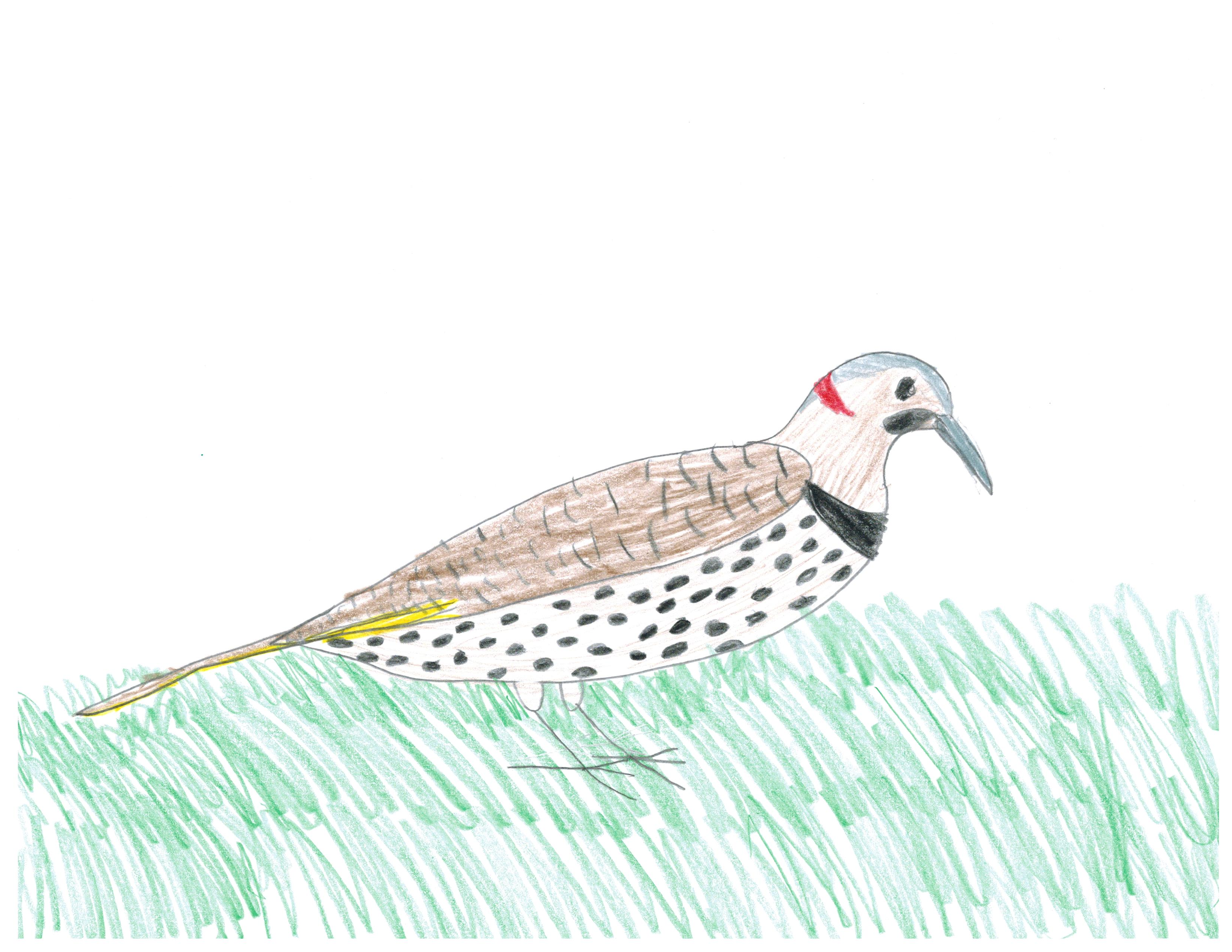
A flash of red! A warbling call! A Northern Flicker dives to the ground! This one is a western variety, which look very different from the eastern variety. Today, I will share their habitat, diet, nesting, and some fun facts. Quickly, let's go!
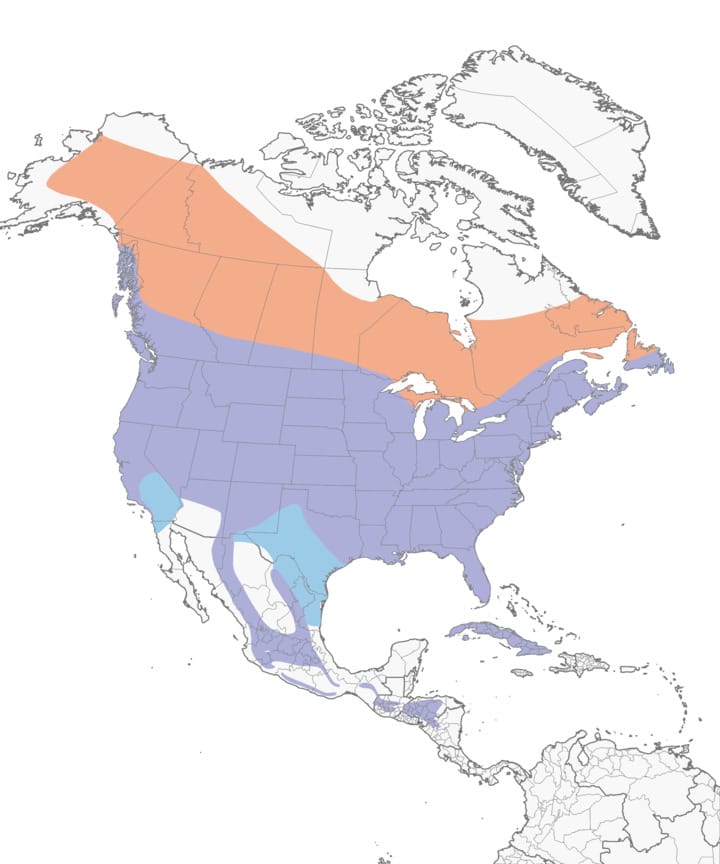
HabitatNorthern Flickers love woods. They also like woodland edges. Even though they are not woods, you can also find Northern Flickers in fields with scattered trees, parks, and suburbs because there are trees to nest in and scattered fields to forage in. In the western mountains, they are usually in forests with some burnt trees, as well as marshes and other wetlands.
DietNorthern Flickers love bugs. They particularly like beetles and ants, though they will also eat flies, butterflies, moths, and snails. When they forage, they hop around on the ground and flick bugs out from the ground, which is where they get their name "flicker". They also have different bill for this. During the winter, they also consume seeds and berries.
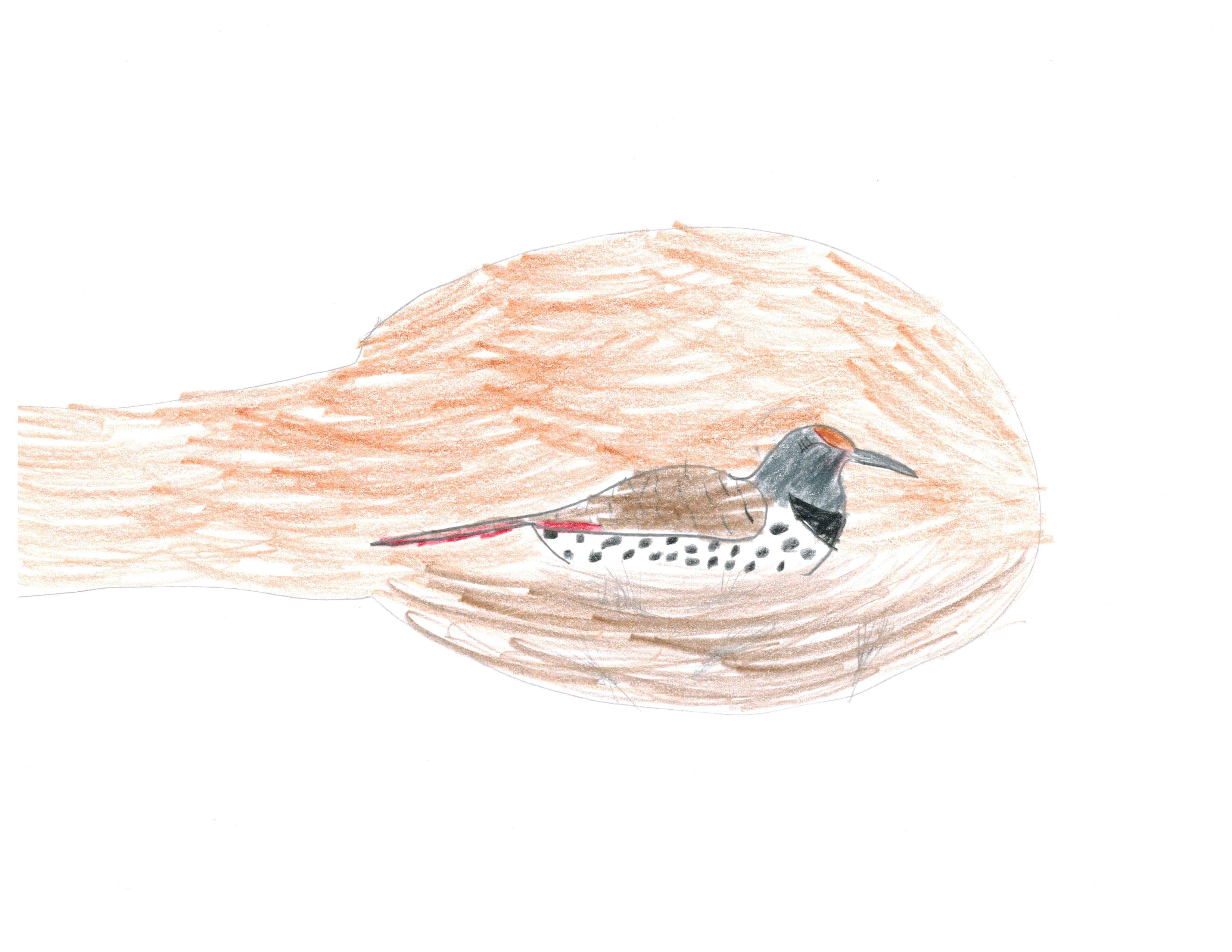
A Northern Flicker's nesting cycle is long. Firstly, the male performs an amazing dance in front of the female in which he chases other males, nods, bows, and sways. The nest the winning male builds with his mate after is a hole drilled into a tree, usually a dead or sick one because they are softer. Sometimes, they will build it on a branch or use an old nest from a Belted Kingfisher or a bank swallow. It is usually six to fifteen feet off the ground, but occasionally it is over one hundred feet high! If it's a hole, it's wider in the back then in the front, with wood chips at the end, too. Then, the female lays five to eight white eggs and they incubate them for eleven to eighteen days. After they hatch, they are fed by both parents and leave after twenty-four to twenty-seven days.
I have explained a Northern Flicker's habitat, diet, and nesting. Though all of these are important, if you are looking for one, consider where you live! That way you know what to look for, and what's rare! Goodbye!