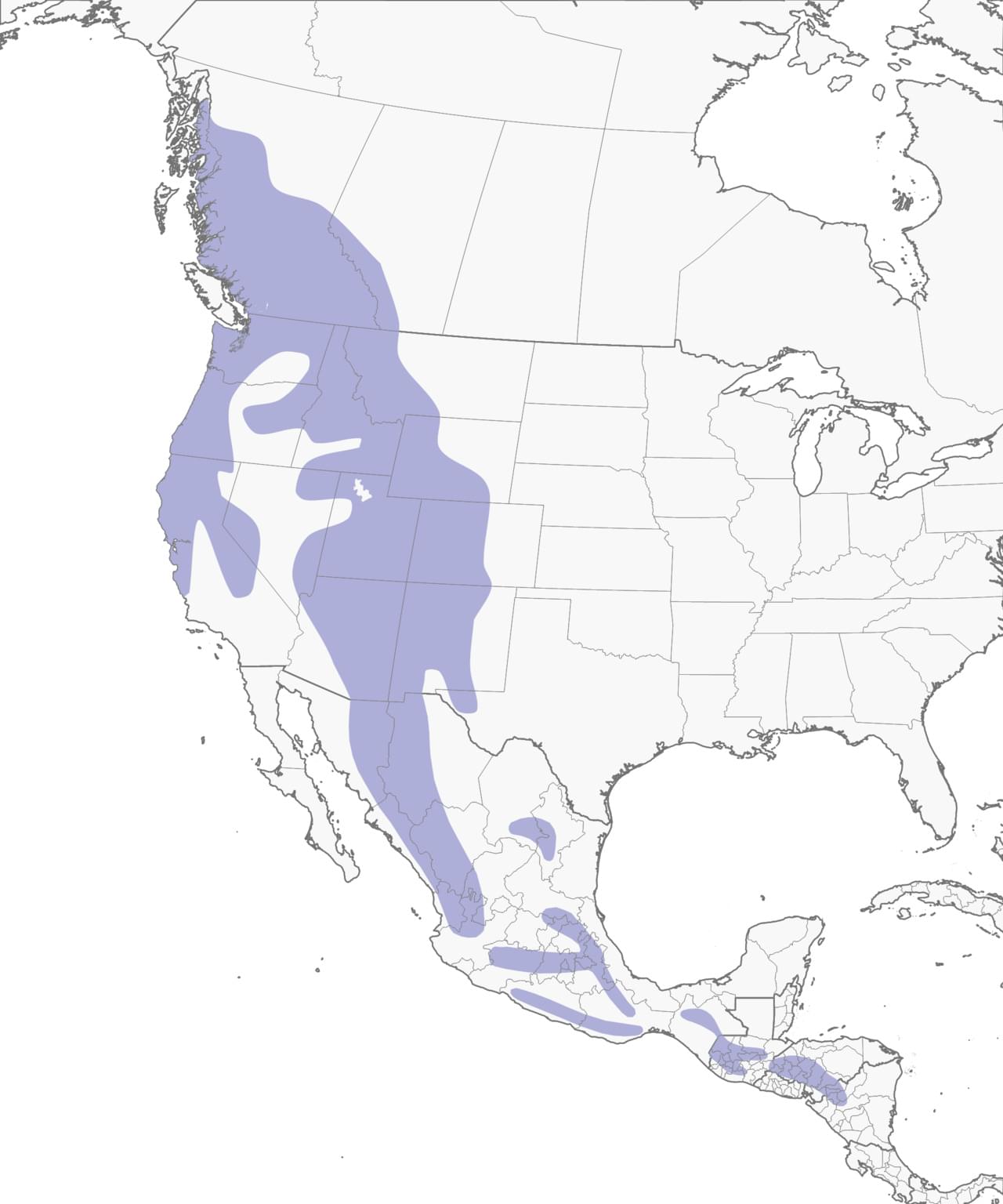
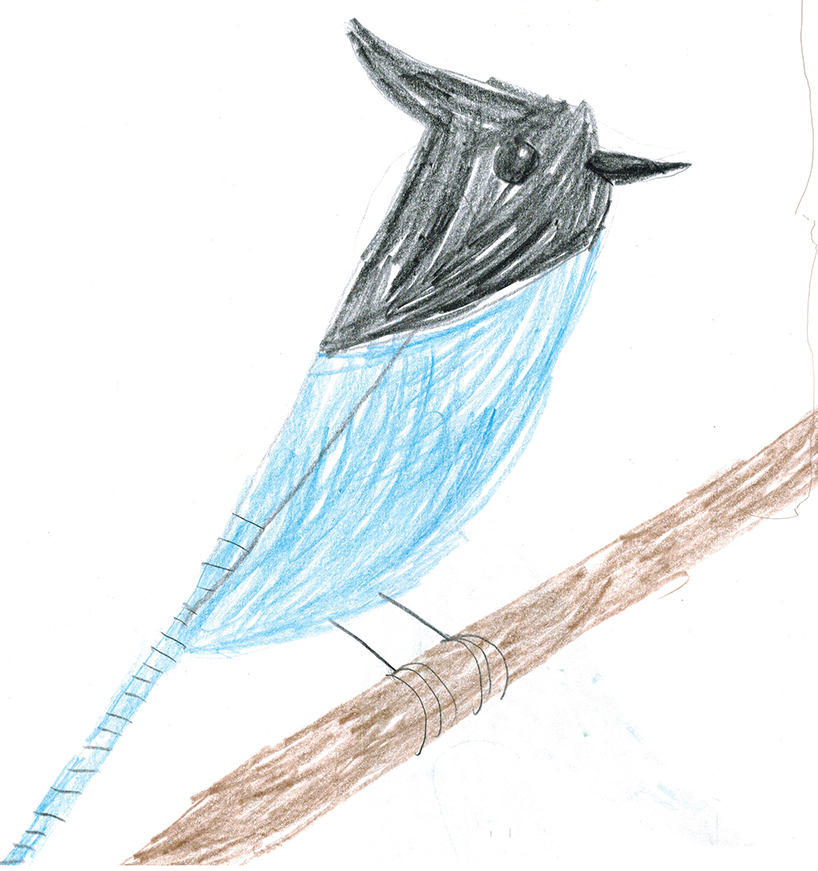
"Raah, Raah!" Two Stellar's Jays fight over territory. Often mistaken for Blue Jays, Stellar's Jays are stunning blue and black birds, living mostly on the west coast. Today, I will explain to you their habitat, diet, nesting, and some fun facts! Let's go!
HabitatStellar's Jays love forests. For the most part, they like pine, oak, spruce, and fir forests, but they will live in other ones, too. They also like wooded suburbs, probably because of the food. Overall, woods are a good habitat.
DietStellar's Jays are omnivorous. Although they're omnivores, their diet is usually about two-thirds plant matter and one-third animal matter.In the winter, they eat a lot of nuts and seeds whereas in the summer, they consume a lot of insects such as beetles, wasps, bees, and, though they are not insects, spiders. They also gruesomely devour other bird's eggs, table scraps, and the occasional rodent or lizard.
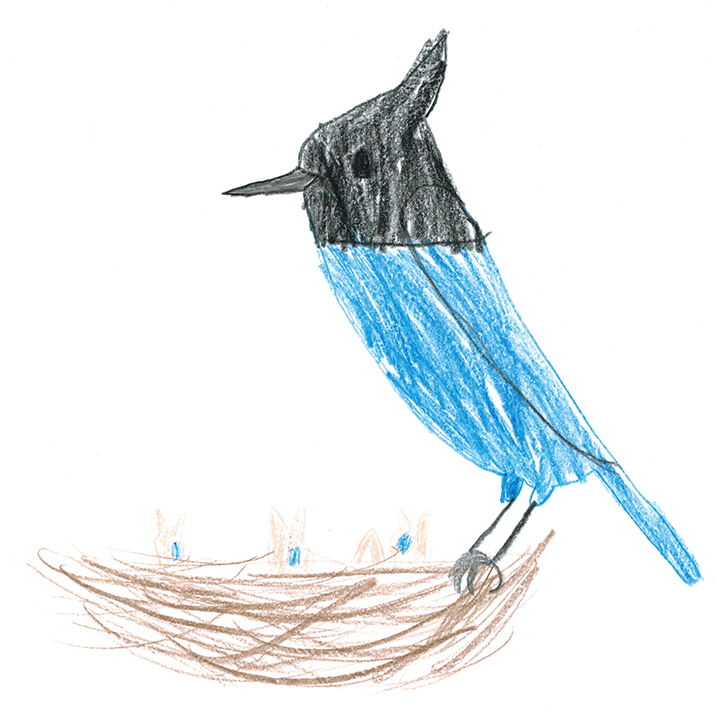
Steller's Jays are protective parents. Courtship is extremely simple. The male feeds the female. Their nest is a cup nest - one shaped like a bowl or cup - usually in a conifer, but sometimes in a deciduous tree or shrub. It is most of the time ten to thirty feet off the ground, sometimes lower or much higher. It is made of twigs, weeds, moss, dry leaves, rootlets, mud, grass, pine needles, and sometimes paper. Then the female lays 2-6 eggs, which are a pale blue-green color and spotted. Next, she incubates them for 16-18 days. After the eggs hatch, the parents both feed and tend them until their first flight, which is three weeks later.
I have presented a Stellar's Jays specific habitat. I have explained their variable diet. I went through their whole nesting process, which is amazing. Though all of the above are important, it is most important to remember not to confuse them with the famous blue jay, because they are really different species. Bye!