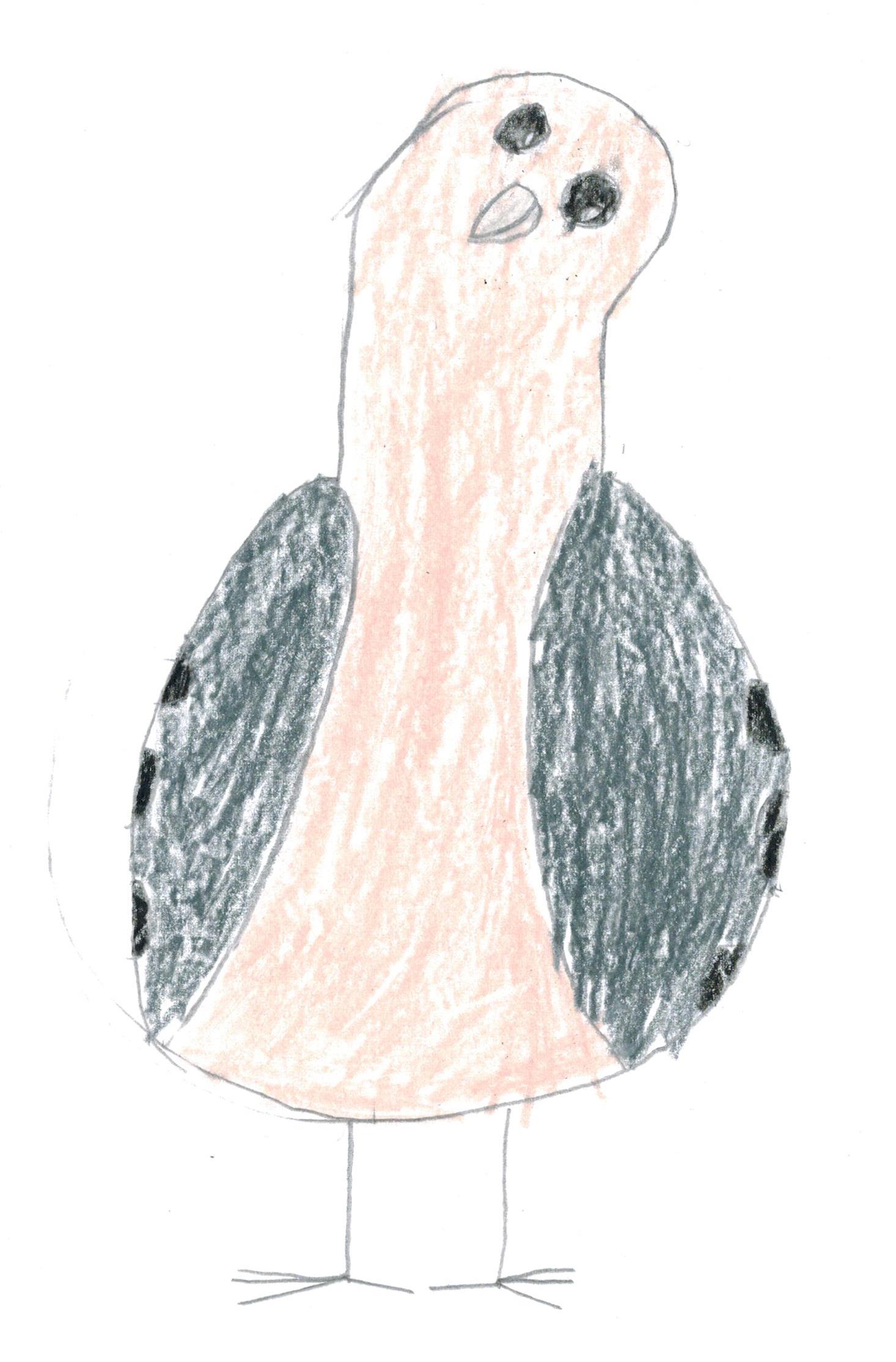
“Coo,coo.” Is someone crying? No! It’s a Mourning Dove singing her soft song. Mourning Doves are beautiful doves living in a wide variety of habitats. Today I will share with you their habitat, diet, and nesting behavior. Let’s get going!
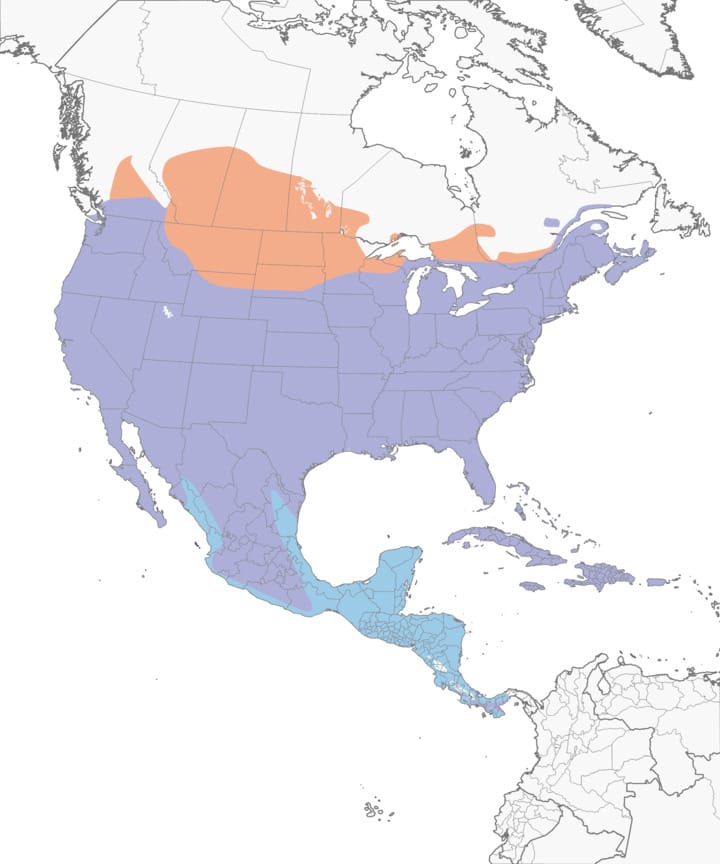
HabitatMourning Doves have a wide range of habitats. They can be found in farms, towns, open woods, grassland, suburbs, prairies, and deserts. They live pretty much anywhere there are trees, but open areas too. They are usually in temperate areas, which means areas that vary in temperature.
DietMourning Doves eat seeds. 99% of their diet is seeds! Some seeds they like in particular are ragweed, cultivated grain, and grass seed. There is also the occasional bug that makes up the other 1% of their diet.When they forage, they hop on the ground and quickly snatch up some seeds, then wait as they digest. They also swallow grit to help digest their food inside the gizzard.
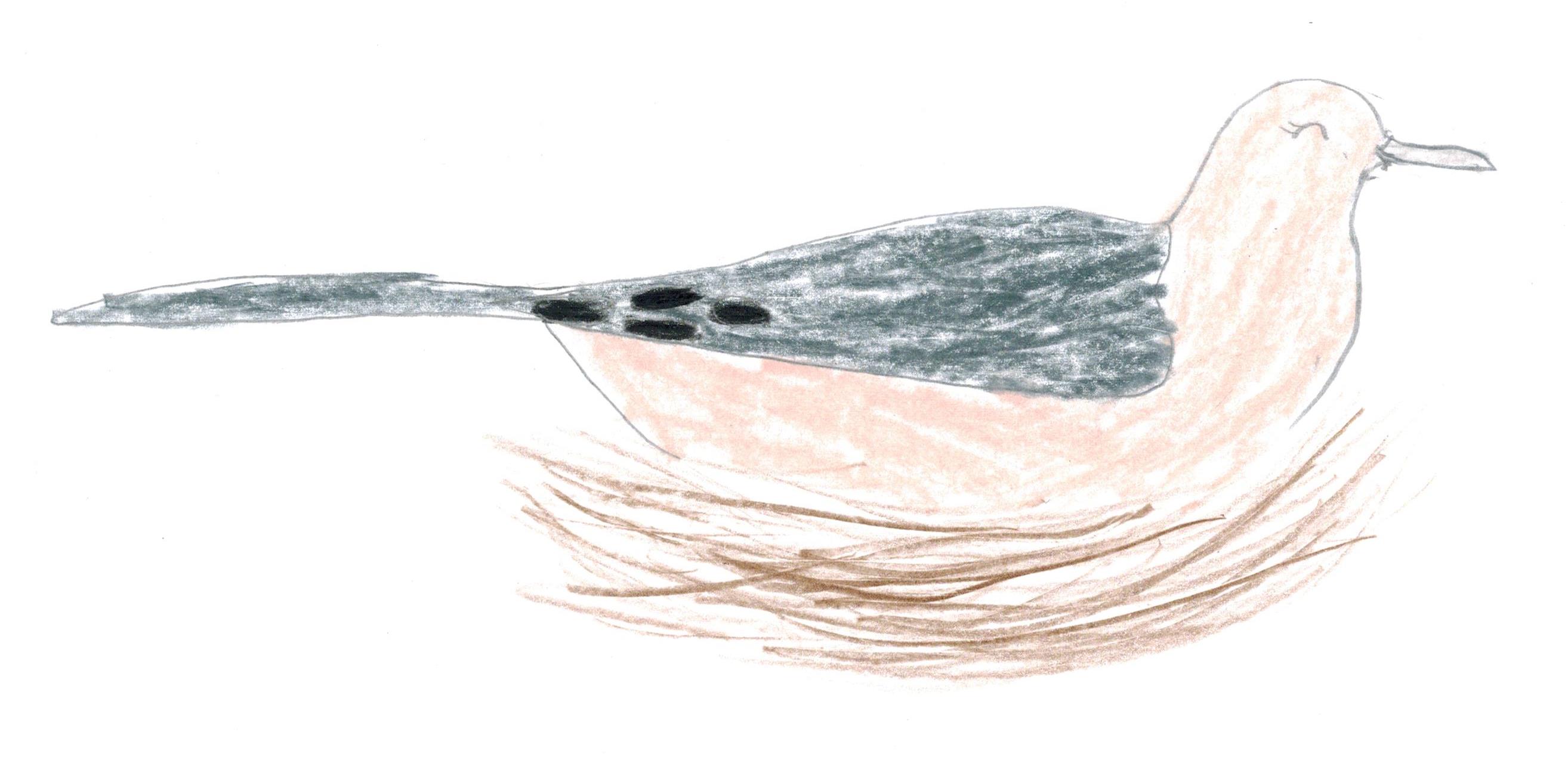
Mourning Doves have a sloppy nest, but before they can nest at all, they have to mate. For courtship, the male flies up with loud wingbeats, then slowly descends through a long, circular glide to meet the female on the ground. After he lands, he struttes towards the female, bowing and singing a soft song. Now the male leads her to potential nest sights, and she chooses one. They nest in trees, shrubs, on the ground, or on a building ledge. It is usually lower than forty feet high, but is sometimes higher than even a hundred feet high! Once she chooses a site, the female builds the nest, which is a flimsy platform of twigs. Then she lays two white eggs and they both incubate the eggs for about two weeks. Once they hatch, both parents feed them “pigeon milk,” a fatty substance great for chicks from a gland in their throat. After about fifteen days, the young doves leave but are fed for about one or two weeks after by their parents. In their southern range, they may raise as many as five to six broods per year!
I have explained a Mourning Dove’s habitat, which is wide. I have skimmed their diet, which is very seed centric. I have told you about their whole nesting cycle, which is long. Overall, it is important to remember not to mistake them with other doves, such as Common Ground Doves. That’s the end of this article!