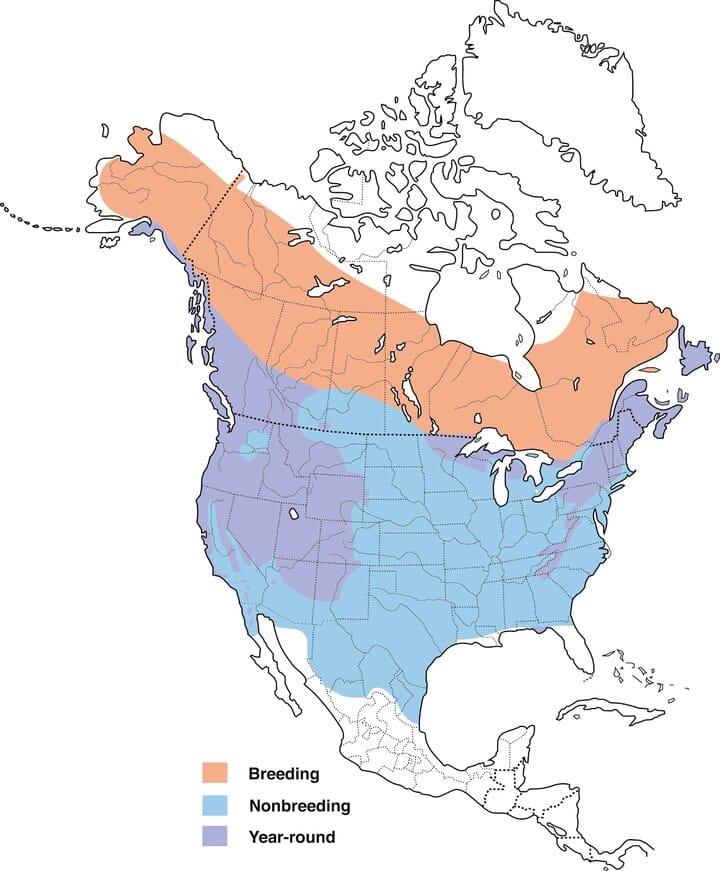
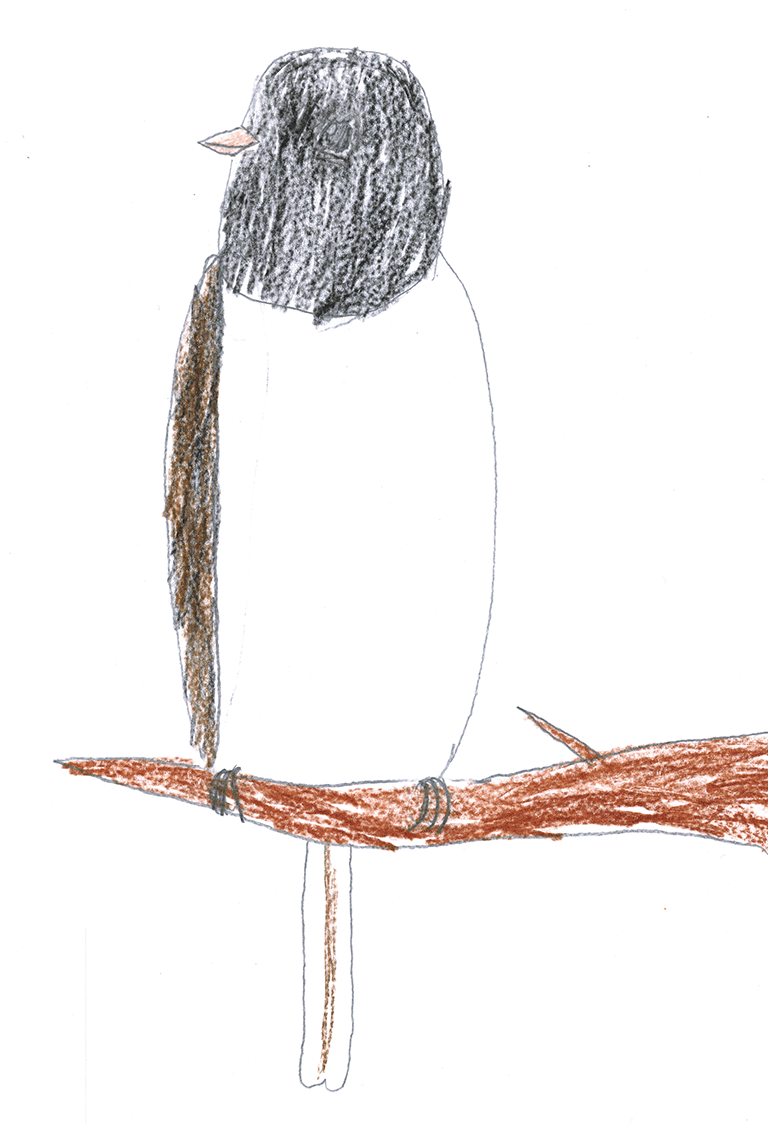
“Hop-hop, peck-peck,” a flock of Dark-Eyed Juncos is foraging for bugs. Also called “snowbirds,” they are a widespread species throughout the USA and Canada. I will explain to you their habitat, diet, nesting behavior, and also some fun facts. Let's start!
HabitatDark-Eyed Juncos are backyard birds. They are often found at bird feeders, but also in the wild. In the wild, they are often found in woods, and, while they’re breeding, they can mostly be found in coniferous or mixed woodland. Eastern Juncos are incredibly different from western ones. Eastern Juncos tend to be gray and white, whereas Western Juncos come in various color patterns.
DietDark-Eyed Juncos consume mostly seeds, berries, and bugs. However, it varies how much of each thing they eat. In the summer they eat mostly bugs. In the winter their diet consists mostly of berries and seeds, and, while they’re chicks, it’s all insects because they have more protein. They forage mostly on the ground, scratching at leaves and, in winter, the snow.
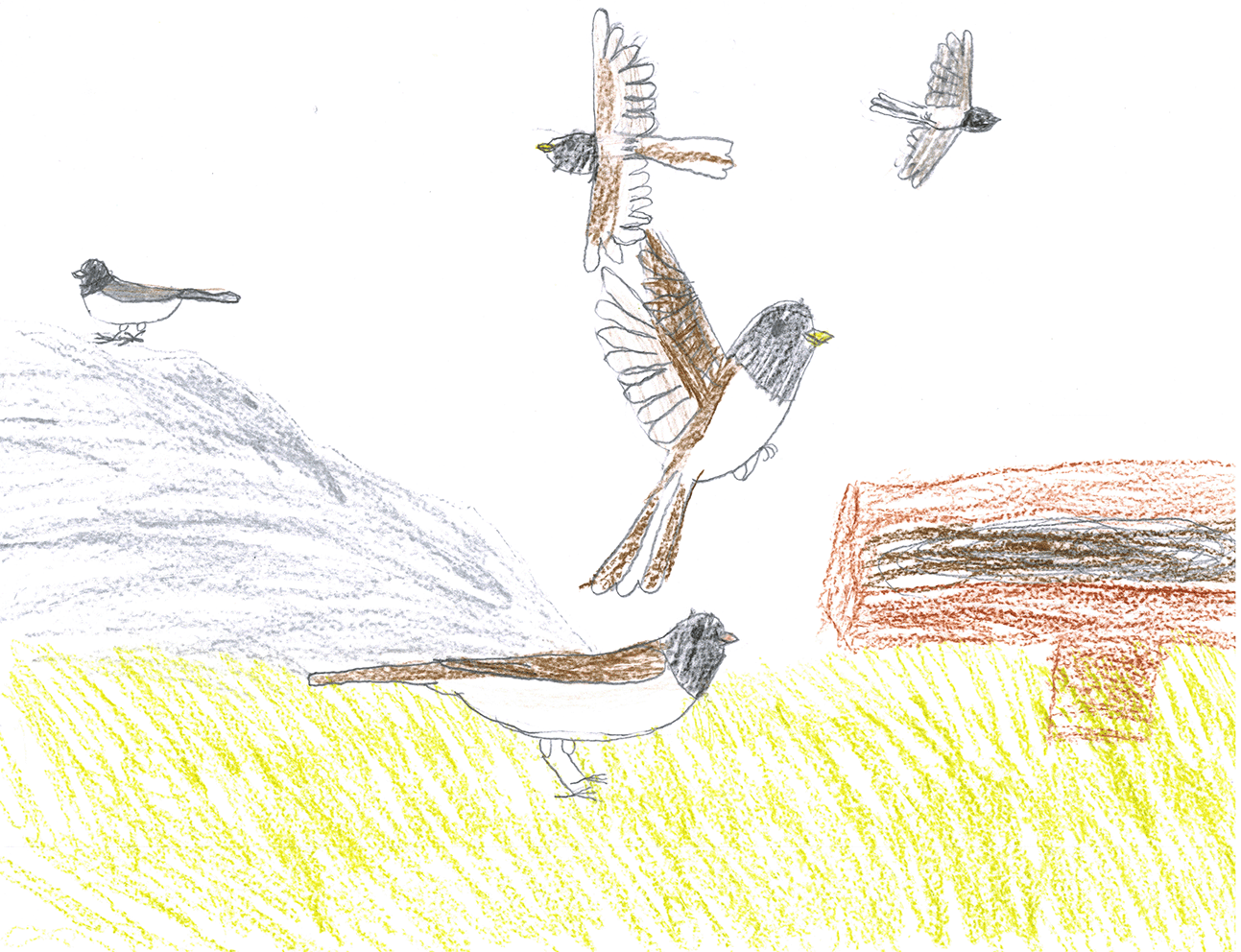
Dark-Eyed Junco nesting patterns are variable. First, for courtship, the male and female hop on the ground with their wings drooped and tail spread to show off tail feathers. Sometimes, the male will sing a soft song. The nest they make is most of the time on the ground, hidden under a log, root, rock, or sometimes inside a hole in a dirt bank. Occasionally, they will build a nest in a shrub, on a ledge in a building, or in a tree. Their nest is rarely more than 10’ off the ground. It is made of grass, leaves, weeds, and feathers or hair. Then the female lays 3-5 whitish, grayish, or bluish eggs, which she incubates for 11-13 days. After they hatch ,both parents help feed and care for the chicks. Then the fledglings, which are full grown now, leave the nest at 9-13 days. Sometimes the parents will have another brood that year, and, if not, the nesting cycle continues next year no matter what.
I have explained a Dark-Eyed Junco’s habitat, which is mostly woodland. I have described a junco’s diet, which consists mostly of insects, berries, and seeds. Lastly, I have gone through a junco’s variable nesting behavior. It is important to remember when birding that even though Dark-Eyed Juncos are common doesn't mean that they are lower than any other bird. I hope you enjoyed this article!